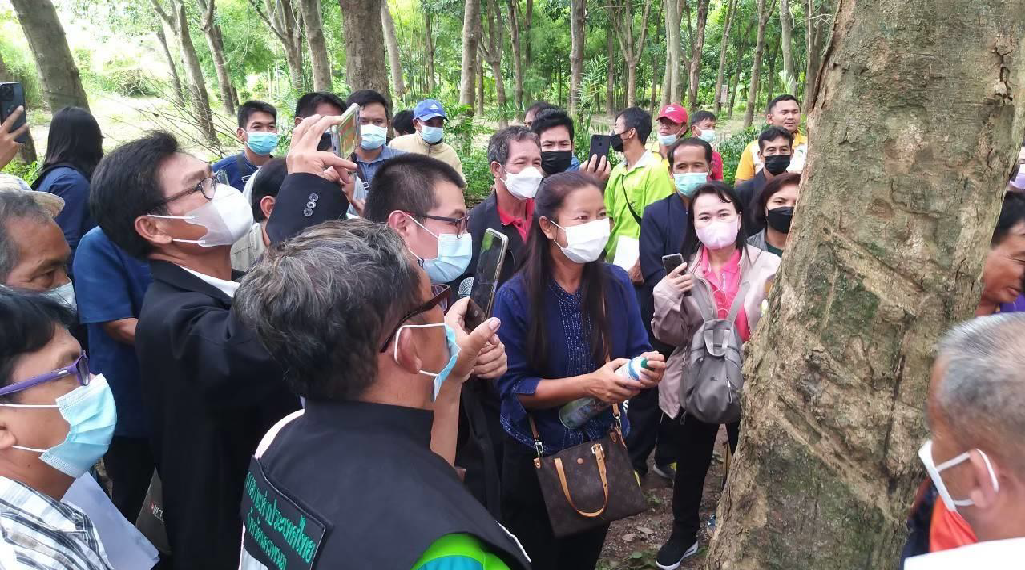
Several industry media outlets have recently highlighted how Jiaoshengyuan gas stimulation short-line tapping improves labor conditions for rubber farmers.
No More 2 A.M.
Conventional tapping relies on the cool, humid pre-dawn hours when latex flows best, forcing tappers to climb the hills at 2 or 3 in the morning. The chronic day-night reversal and heavy labor keep young workers away, leaving the industry struggling to recruit and retain tappers.
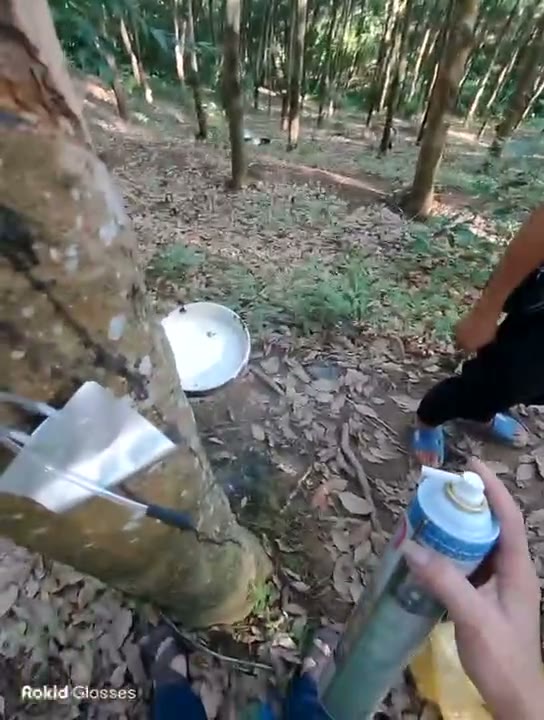
With gas stimulation, latex flow lasts longer and stays stable, allowing tapping to move to the evening. At the demonstration sites visited by reporters, tappers have returned to normal schedules and can take care of families and other farm work during the day.
Industry Value Recognized
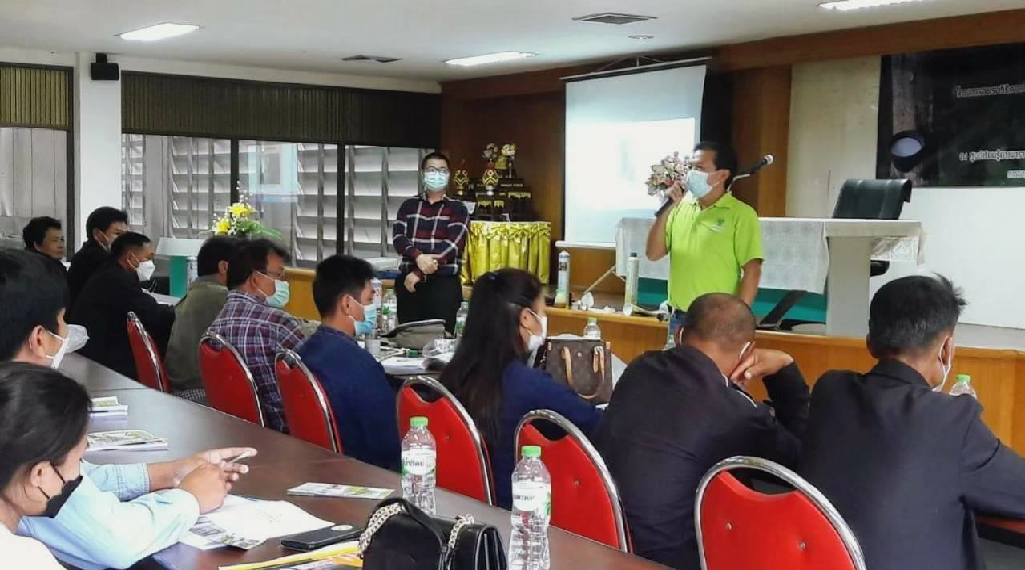
Reports note that better working conditions matter greatly for the sustainable future of the natural rubber industry. The technology has been recognized with an award from Thailand’s Ministry of Labour, reflecting both its technical innovation and social value.
Industry observers expect such “labor-saving, yield-boosting, sustainable” technologies to become a key pillar of the industry’s transformation as plantation workforces age across Southeast Asia.